From theory to practice

During build

We often hear that once a capital project is approved, finance becomes a reporting function. Our experience suggests the opposite. During execution, we find the most useful conversations sit at the intersection of construction schedules, commissioning risk, and funding availability. In this section, we describe how we structure those conversations so that finance remains a partner to operations, not just a scorekeeper.

In operation

When assets move from project mode into steady operation, the narrative usually shifts from milestones to reliability. Here we discuss how we think about maintenance reserves, unplanned outages, and the slow drift of operating assumptions over time. We pay attention to how small changes in throughput, pricing, or input costs can accumulate into meaningful shifts in financial resilience.

Team discussing industrial project finances

At transition

Eventually, every industrial asset faces a decision point: extend, retrofit, or retire. We walk through how we frame those moments, including the role of environmental requirements, community expectations, and evolving technology. Rather than predicting outcomes, we focus on mapping credible paths and clarifying what would need to be true for each path to make sense.

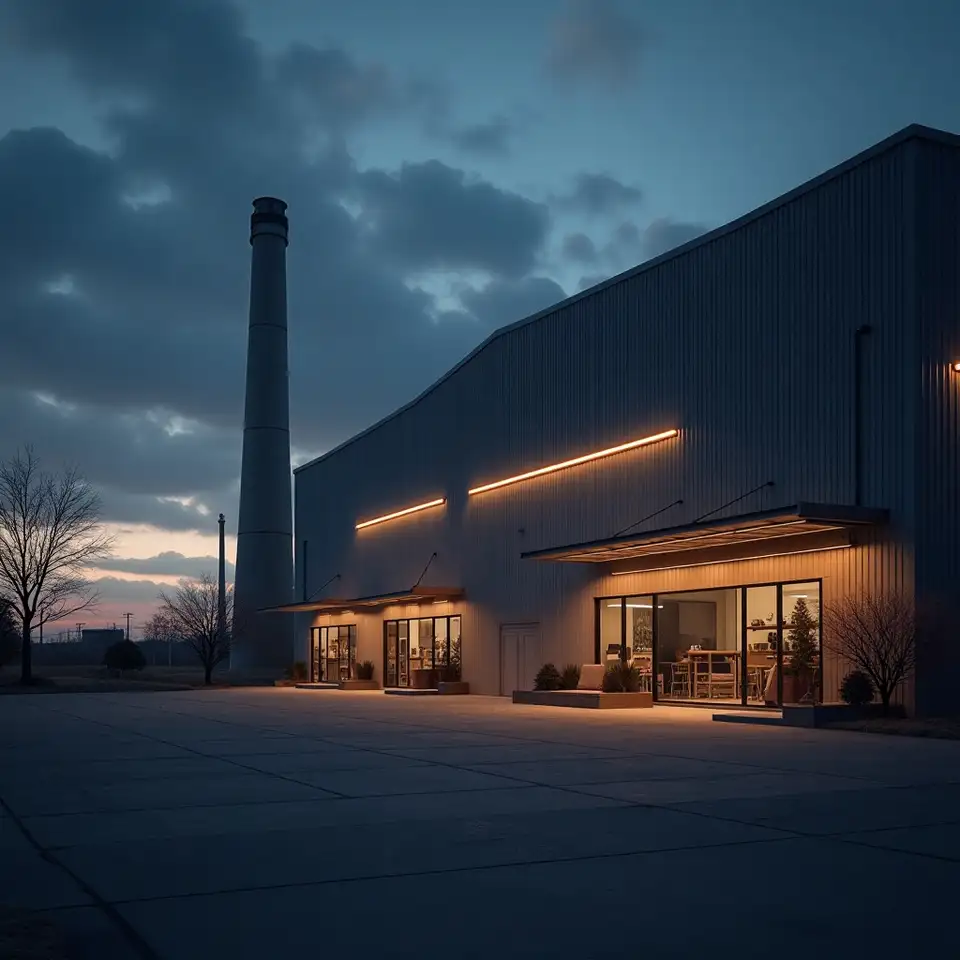
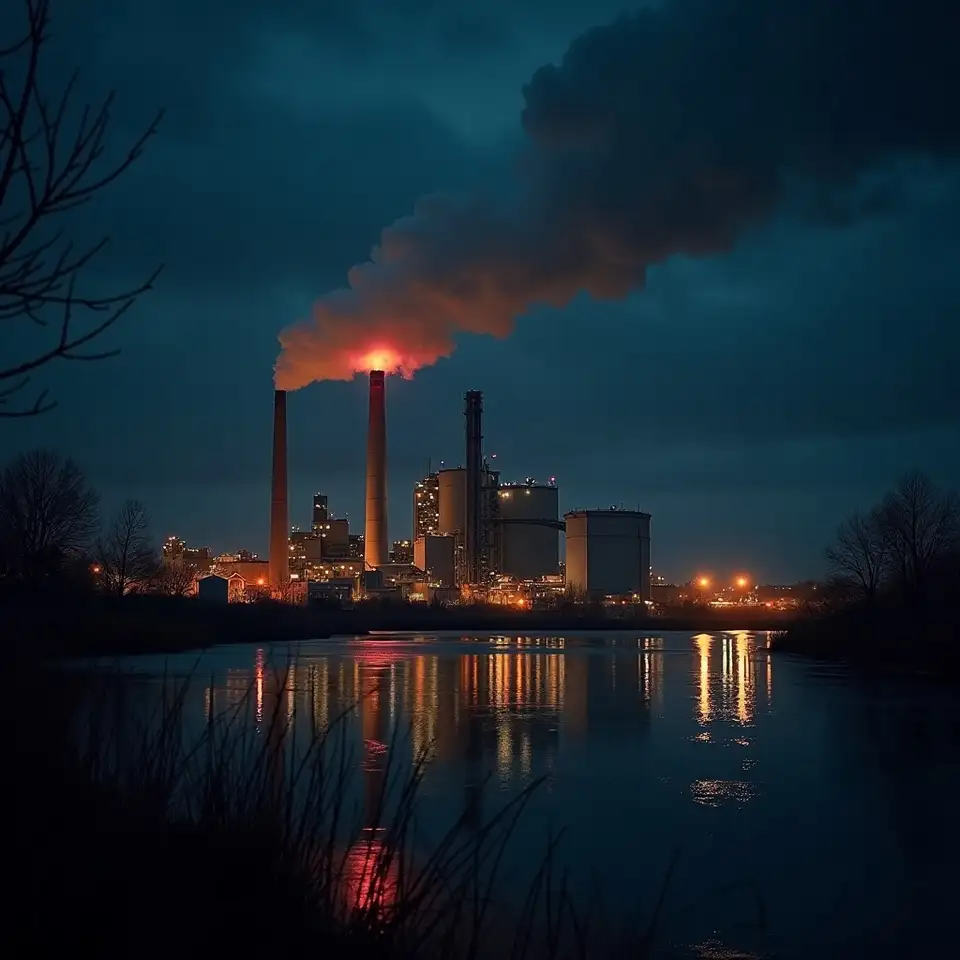
Industrial facility representing long term assets

If any of these scenarios sound uncomfortably familiar, share your context and questions. We will respond with careful clarifying questions and, where appropriate, suggest ways to structure your next internal review. Results may vary, and nothing we share should replace advice from professionals who know your full situation.

How we review complex projects

How we apply our Three Lens Review method in industrial finance conversations

When we speak about industrial finance, we are really speaking about how people make decisions under pressure. We have sat in reviews where project sponsors defended numbers they no longer believed, simply because they lacked a safe way to revise the story. Our internal method, which we call the Three Lens Review, asks us to look at each situation through operational, financial, and governance lenses in turn. This does not remove uncertainty, but it stops us from pretending it is not there.

In practice, the Three Lens Review means we start with how the plant or asset actually runs, then we translate that reality into cash timing, and only then do we consider formal approval processes. By keeping the sequence explicit, we avoid treating approval as a substitute for analysis. Throughout, we remind ourselves and our clients that any scenarios discussed are illustrative and not a promise of future outcomes. Results may vary, and external conditions can change faster than any model can adapt.

We describe how early warning signs appeared in operational data long before they reached formal finance reports.

We map how decisions moved between engineering, operations, and finance, often losing nuance at each handoff.

We note the specific questions that shifted the tone from defensive justification toward joint problem solving.

We explain how documenting assumptions clearly helped later reviews, even when outcomes diverged from plans.


Industrial finance stakeholders debating project scenarios

The question behind each case study

Why did this project drift

How we frame industrial finance

We talk through real‑world style scenarios, highlight the trade‑offs we faced, and explain why tidy spreadsheets rarely match industrial reality.
We remember the first time we tried to map an industrial expansion plan onto a confusing mix of lending terms, internal hurdle rates, and regulatory expectations. We thought the problem was finding a perfect model; in reality, the problem was asking vague questions. On this page, we speak as practitioners who have made those mistakes and now describe how we frame industrial finance topics so they become workable, even when the numbers stay uncertain. We focus on capital allocation, project sequencing, and risk awareness rather than promises about outcomes. Every example is simplified, anonymised, and presented for discussion only, not as a template to copy. When we reference case patterns, we are describing how we think, not telling you what you must do. Our aim is to help you articulate sharper questions for your own advisers, lenders, and internal teams, especially when decisions affect long‑lived assets and complex supply chains.
Industrial finance team reviewing plant plans

Living with decisions

We once joined a mid‑life review of an industrial facility that had quietly become misaligned with its original financing assumptions. Energy costs had shifted, maintenance patterns had evolved, and new safety requirements had changed the timing of major shutdowns. The original model, built with care, had simply not been revisited in light of these developments. The myth was that once financing was arranged, the hard thinking was done. The reality was that industrial finance is an ongoing conversation between operations, markets, and capital providers. On this page, we collect reflections from situations like that review. We examine how internal teams can create a cadence for revisiting key assumptions, without turning every month into a full re‑underwriting exercise. We also highlight how transparent communication with lenders and other stakeholders can reduce surprises, even when the news is uncomfortable. None of this replaces tailored advice from your own legal, tax, or financial professionals, and nothing here should be treated as an offer, solicitation, or personalised recommendation. These are discussion prompts, designed to help you frame your own questions before you commit to long‑term industrial finance decisions in Canada.

Case patterns

Instead of chasing a perfect forecast, we narrate how actual industrial finance decisions evolved under pressure, and which small questions would have changed the trajectory.

We often arrive after a project has already drifted off course. Capital has been committed, timelines have slipped, and the financial model no longer matches reality. Here we describe the patterns we keep seeing, the questions we wish had been asked earlier, and the ways cautious scenario work can still help mid‑project. None of this replaces individual legal, tax, or financial advice; it simply sharpens the conversation you have with your own professional advisers.

Plant upgrade arc

We walk through a simplified plant upgrade story, focusing on how assumptions about demand, downtime, and financing costs changed over time.

Lender expectations

We contrast the initial capital request with what lenders actually questioned, and how documentation quality shaped the dialogue.

Handling uncertainty

We outline how the team translated engineering uncertainty into ranges, rather than single numbers, for internal review.

Governance friction

We show where governance slowed decisions in a useful way and where it simply added confusion and fatigue.

Regulatory timing

We highlight how early engagement with environmental and safety teams changed the timing of major cash outflows.

Industrial finance moments we keep revisiting

We use cookies and similar technologies to keep this site working, understand how our industrial finance reflections are used, and remember certain preferences. You can review our cookie information at any time and adjust your browser settings if you prefer more control.